Importance of the Ten Commandments as Bible Wall Art
A Daily Guide for How We Live
I remember the first time I truly paused in front of a Ten Commandments print. Not in church, not in a book, but on a quiet living room wall in a family home. It was not bold or decorative in a trendy way. It was steady. It felt like a presence. As a mother, that moment stayed with me, because it revealed something simple and deeply true. Some words are meant to be lived with, not just read once.
In our homes, we often choose Bible verses that comfort us during hard seasons or encourage us when we feel weary. I love those verses and keep many of them close. But the Ten Commandments hold a different role. They are not only comforting. They are formative. They teach us how to live, how to treat others, and how to walk with God day by day.
That is why 10 commandments wall art holds such a unique and meaningful place among all other scripture decor.
The Ten Commandments as the Foundation of Daily Life
The Ten Commandments are not abstract ideas or poetic language. They are practical instructions for everyday living. They speak directly into our homes, our marriages, our parenting, our work, and our inner life.
They begin by orienting our hearts toward God. Place Him first. Honor His name. Remember His day. Then they move into how we live with one another. Honor your parents. Do not steal. Do not lie. Do not covet. These are not complicated ideas, but they shape character over time.
When we choose 10 commandments prints for walls, we are making a statement about what guides our family. In a world where values often feel uncertain or constantly shifting, the Ten Commandments remain steady. Bringing them into our home brings that steadiness into daily life.
Why the Ten Commandments Stand Apart From Other Bible Verses
Many Bible verses inspire us, comfort us, or reassure us of God’s promises. The Ten Commandments serve a different purpose. They form our conscience.
They do not change based on emotions or trends. They teach responsibility, self control, respect, and faithfulness. They help children understand boundaries and remind adults of wisdom we sometimes forget.
When framed 10 commandments prints are visible in everyday spaces, they become a reference point. Not as rules enforced with fear, but as guidance rooted in love and order. They quietly answer the question of how should we live.
The Quiet Power of Visible Faith in the Home
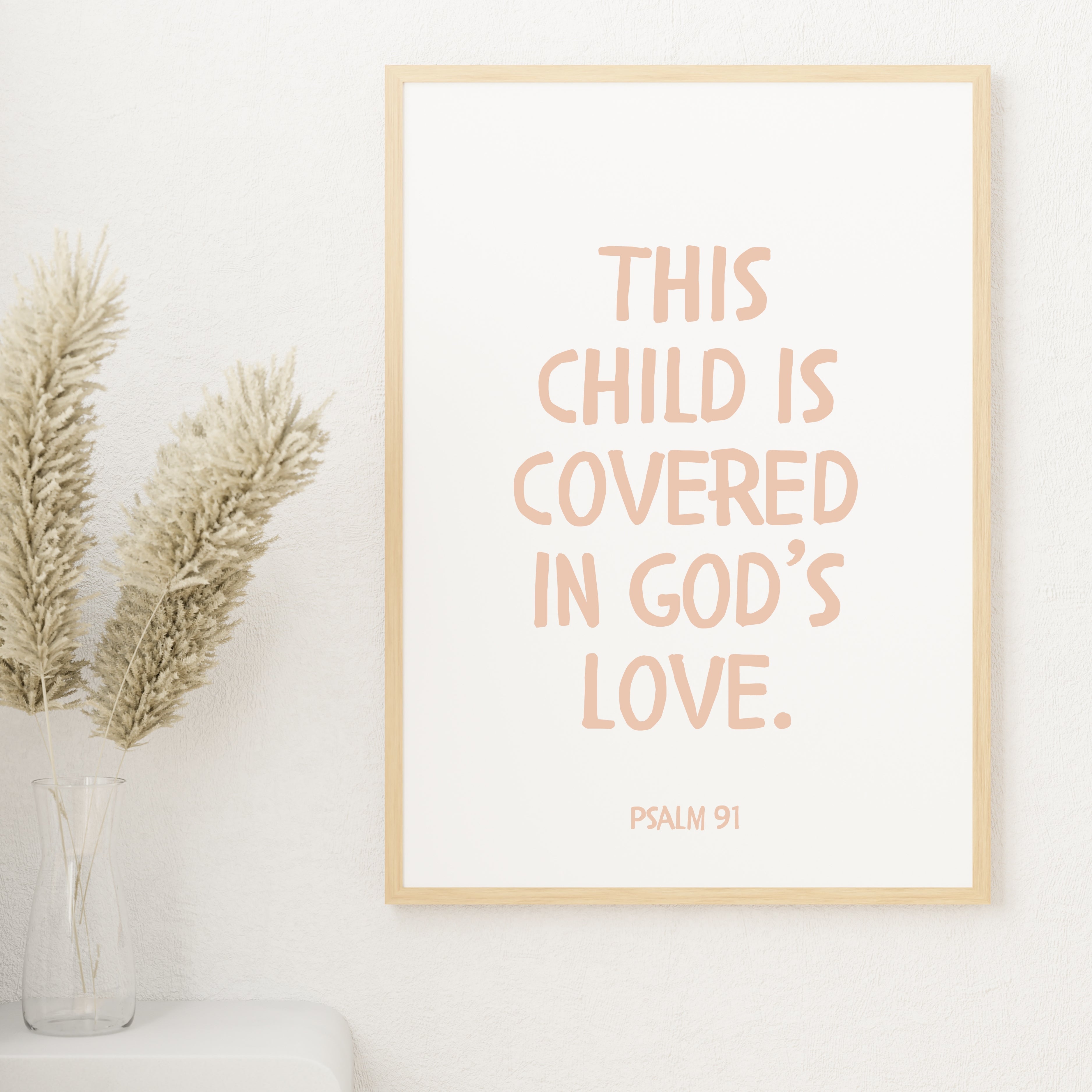
There is something powerful about scripture that lives on a wall. It does not demand attention or explanation. It simply remains present.
Living room bible wall art is especially meaningful because the living room is where daily life unfolds. Conversations happen there. Children play there. Guests gather there. When the Ten Commandments are placed in this shared space, they communicate that faith is not hidden or reserved for special moments. It is woven into everyday living.
Over time, these words become familiar. They sink into memory through repetition and presence. They shape the atmosphere of the home quietly and consistently.
Teaching Children Through Presence and Example
Children learn far more through observation than instruction. They watch how we speak, how we resolve conflict, how we treat others, and how we respond when things are difficult.
When children see the Ten Commandments honored in the home, they understand that these words matter. Not because they are forced to memorize them, but because they are given a visible place of respect.
Framed 10 commandments prints become part of a child’s sense of home. Years later, those words often surface as inner guidance rather than remembered rules. This is one of the most meaningful gifts we can give our children.
Creating Peace, Order, and Trust at Home
Clear values create a sense of safety. The Ten Commandments provide clarity that leads to peace and trust within the home.
They set healthy boundaries that protect relationships. They encourage honesty, respect, and gratitude. Homes grounded in shared values tend to feel calmer and more secure, even when life is not perfect.
10 commandments wall art contributes to this sense of order in a subtle but lasting way. It reminds us that freedom does not come from having no boundaries, but from living within wise ones.
Why Framing the Ten Commandments Matters
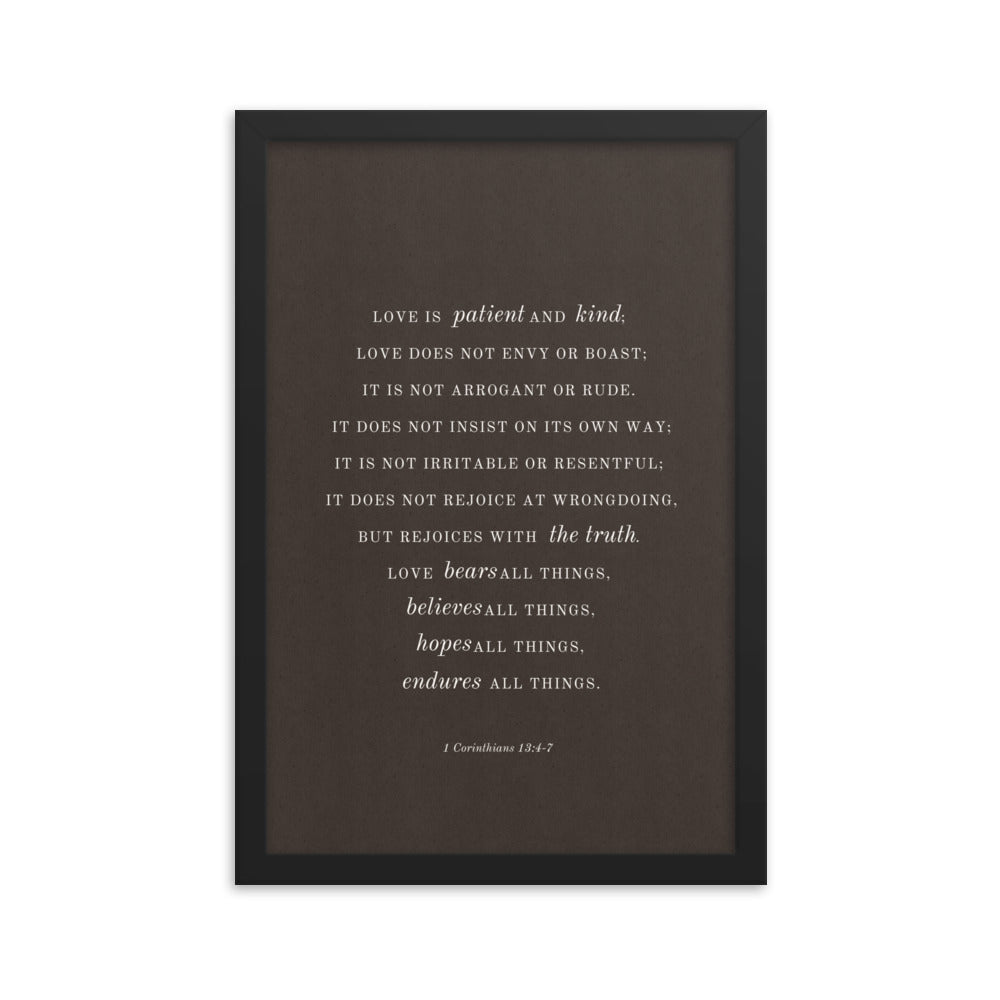
Choosing framed 10 commandments prints is not only about style. Framing communicates respect. It signals that these words are important enough to preserve and honor.
A thoughtfully chosen frame helps the artwork blend naturally into the home while still standing out as something meaningful. Neutral colors, timeless fonts, and quality materials allow the commandments to complement both traditional and modern interiors.
When scripture is beautifully presented, it invites reflection rather than resistance. It becomes something people pause to read and return to.
Where the Ten Commandments Belong in the Home
The living room is often the most impactful place for Ten Commandments wall art because it is a shared and visible space. It reflects the values of the household to both family members and guests.
Entryways are also powerful. They set the tone as people enter and leave the home. Hallways offer repeated, quiet exposure throughout the day. Dining areas can also be meaningful, especially as families gather and practice gratitude together.
The most important consideration is visibility without clutter. The Ten Commandments should feel integrated into the home, not crowded or hidden.
A Declaration of What Guides Our Family
Displaying the Ten Commandments is a quiet but intentional declaration. It says that faith is lived, not just spoken. It says that character matters. It says that this home is built on something steady.
In uncertain seasons, these words remain. They remind us who we are and how we choose to live. That is why 10 commandments prints for walls are more than decor. They are anchors.
As a mother, I see them as a daily blessing. A reminder for myself. A foundation for my children. A source of peace for our home.
Frequently Asked Questions
Where is the best place to hang 10 commandments wall art at home?
The living room is often the best location because it is a shared space where family and guests gather. Entryways and hallways are also excellent choices since they offer daily visibility and reinforce values through repetition.
Are framed 10 commandments prints suitable for modern home decor?
Yes. Many framed 10 commandments prints feature clean typography and neutral tones that blend beautifully with modern, minimalist, and transitional interiors while remaining timeless.
Why choose the Ten Commandments instead of other Bible verses for wall art?
The Ten Commandments provide practical guidance for daily behavior. While many verses comfort and encourage, the commandments teach how to live with integrity, respect, and faithfulness in everyday life.
Do children actually notice scripture wall art?
Yes. Children absorb values through their environment. Seeing the Ten Commandments regularly helps reinforce moral principles naturally, especially when parents model those values in daily life.