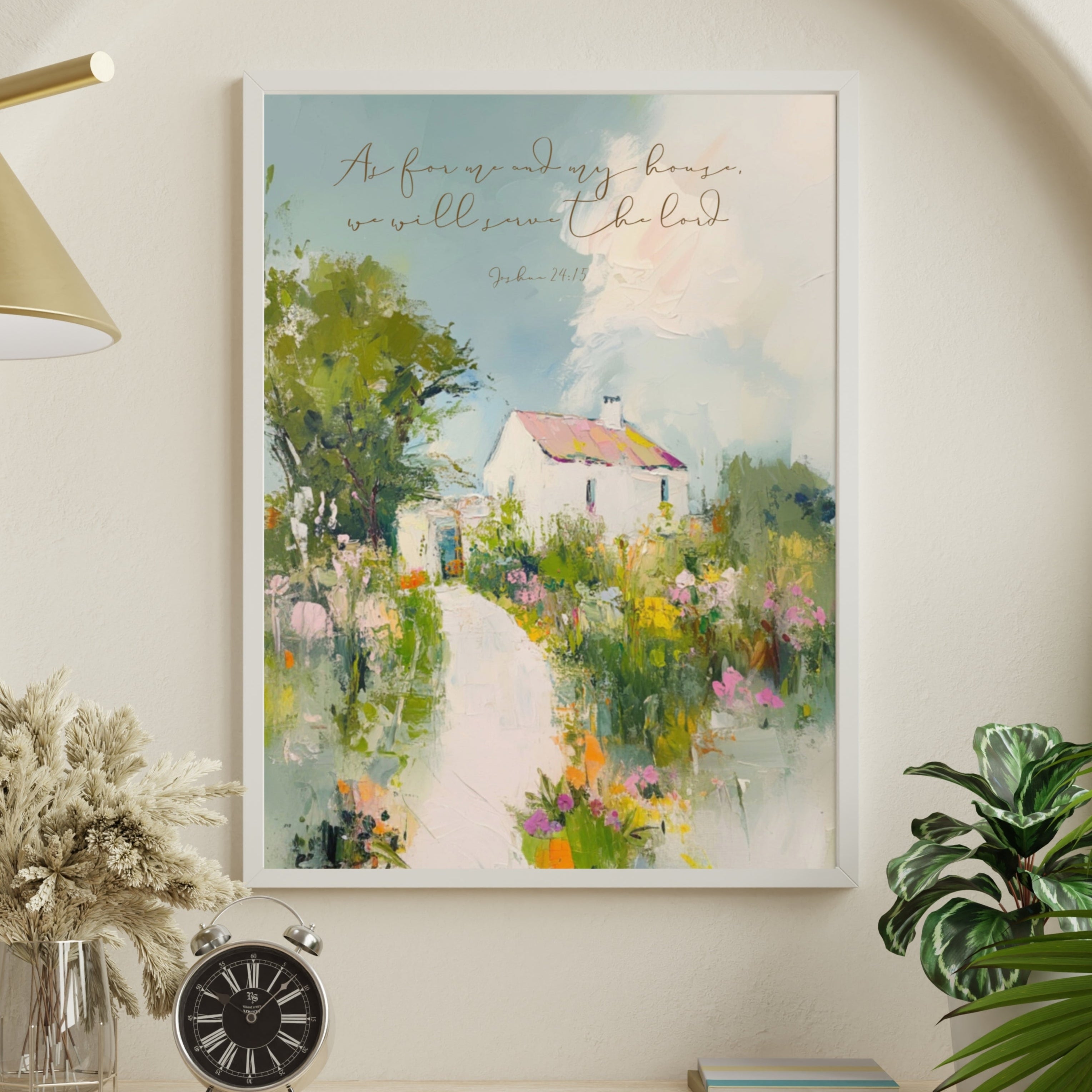
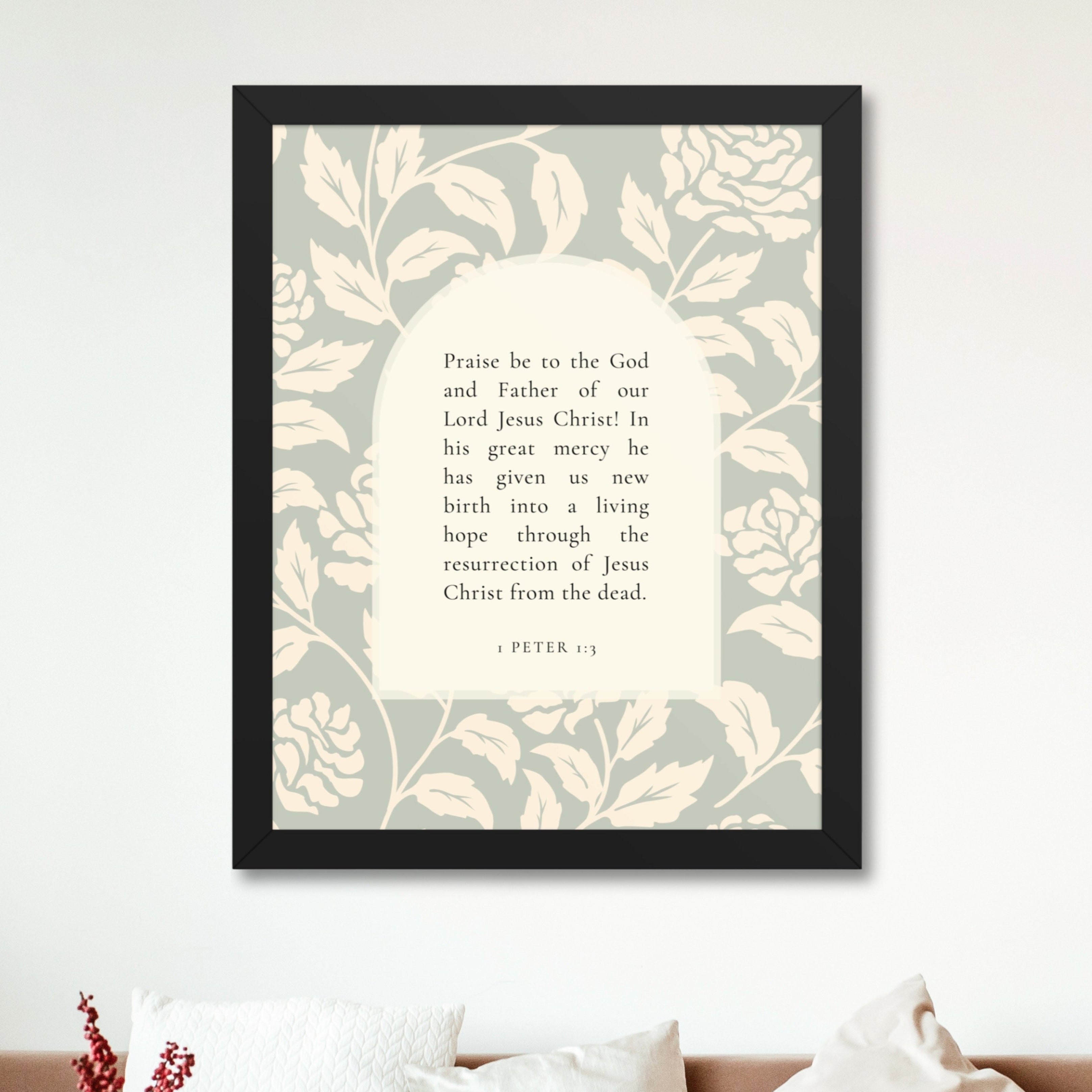
There is a moment many Christian families reach without quite realizing it. The walls are filled with beautiful verses, the home feels faith centered, and yet something feels slightly off. The words are there, but they no longer stop us. Scripture has become familiar, but not always felt.
I have learned over time that this usually isn’t a spiritual problem. It’s an intentionality problem.
Not all Scripture wall art serves the same purpose, and when we treat every verse the same way, we unintentionally weaken the impact of God’s Word in our homes. Understanding the difference between decorative Scripture and devotional Scripture changes everything. It brings clarity, depth, and renewed meaning to the way we live with Scripture every day.
This article is the first in a two part series about designing with Scripture intentionally. Here, we’ll focus on understanding the difference and placing Scripture where it can truly do its work. In the next article, we’ll address what happens when Scripture becomes background noise and how to prevent it.
Choosing Scripture That Reflects Your Family’s Values
Before talking about placement, it’s essential to talk about selection.
Choosing a verse should never be random or trend driven. The most meaningful Scripture art reflects what a family values, what it hopes to grow, and what it needs to be reminded of regularly.
Some families are intentionally cultivating gratitude. Others are focusing on patience, peace, forgiveness, or trust in God during uncertain seasons. The verses you choose should echo those priorities.
When Scripture aligns with what truly matters to your family, it stops being decorative and starts being formative. It becomes a visual reinforcement of what you are already trying to live out together.
A verse chosen only because it looks nice will eventually fade into the background. A verse chosen because it reflects your values continues to speak long after the style of the room changes.
Decorative Scripture: Supporting the Atmosphere of the Home
Decorative Scripture is not shallow or unimportant. It serves a vital role when chosen and placed intentionally.
Decorative Scripture supports the atmosphere of a space. It communicates shared values gently and sets a tone without demanding emotional engagement or deep reflection.
Where decorative Scripture belongs:
-
The main wall of the living room, above a console or sofa
-
Entryways where the home welcomes guests
-
Dining rooms where families gather and share meals
-
Kitchen Christian decor placed above counters or near dining areas
-
Hallways that connect shared spaces
What kind of verses work best here:
-
Short and easily readable at a glance
-
Values focused, such as love, gratitude, peace, faith, or unity
-
Verses that feel welcoming rather than heavy
-
Scripture that represents what the family stands for together
Decorative Scripture should never require effort to engage with. It works quietly, shaping mood and tone rather than inviting introspection. This is where bible wall art for the living room often belongs, setting the emotional rhythm of shared family life.
Devotional Scripture: Shaping the Inner Life
Devotional Scripture serves a different purpose entirely. These are verses chosen not for atmosphere, but for personal return.
Devotional Scripture is meant to be read again and again. It speaks into stress, fatigue, doubt, prayer, and perseverance. It supports spiritual formation rather than visual harmony.
Where devotional Scripture belongs:
-
Parent bedrooms near a dresser, chair, or prayer corner
-
Beside the bed, not above it, where the verse can be read quietly
-
Home offices within direct line of sight
-
Reading corners or quiet chairs
-
Children’s rooms at eye level, not decorative height
What kind of verses work best here:
-
Verses parents personally rely on
-
Scripture that speaks to fear, endurance, patience, or trust
-
Longer or layered verses that invite reflection
-
Words that meet the reader in real life moments
Devotional Scripture should be placed where it can be returned to intentionally, not passed by casually.

Answering the Questions People Actually Ask
Many families ask the same questions, often without clear answers.
Where should Scripture be placed in the house?
Scripture should be placed with intention, based on how you want it to function in your daily life. Decorative Scripture works best in shared, outward facing spaces such as the living room, entryway, dining room, or kitchen, where it helps set the tone and communicate shared family values. Devotional Scripture belongs in quieter, more personal spaces like bedrooms, offices, reading corners, or prayer areas, where it can be returned to intentionally during moments of reflection, stress, or prayer.
How do I choose which verse goes in which room?
Start by identifying what your family values most and what you want to emphasize in that space. Shared areas benefit from verses that reflect hospitality, love, gratitude, or peace, while private spaces are better suited for verses that speak to endurance, trust, patience, or personal faith struggles. Ask whether the verse is meant to support atmosphere or personal reflection, and let that purpose guide its placement.
How many Bible verses should be on the wall?
There is no fixed number, but fewer, thoughtfully chosen verses tend to have a stronger impact than many placed without intention. Too many verses in one space can cause Scripture to blend into the background, making it less noticeable over time. Choosing a small number of meaningful anchor verses and allowing them space to breathe helps keep Scripture visible, present, and impactful.
Why does the design and uniqueness of Scripture art matter?
Design plays a significant role in how Scripture is received. Thoughtful typography, spacing, materials, and overall balance help the eye rest on the words rather than be distracted by them. Unique, artist designed pieces tend to feel intentional and meaningful, making Scripture feel honored rather than mass produced. When the design supports the message, Scripture is more likely to be noticed, read, and returned to regularly.
Why Unique, Artist Designed Scripture Matters
One of the most overlooked aspects of Scripture art is design integrity.
Typography, spacing, balance, and material quality all influence how Scripture is received. Poorly designed pieces can distract from the Word itself, while thoughtfully crafted designs allow Scripture to breathe.
This is where unique, artist created designs matter. When Scripture is designed with care, prayer, and intention, it feels different. It invites engagement rather than blending into the background.
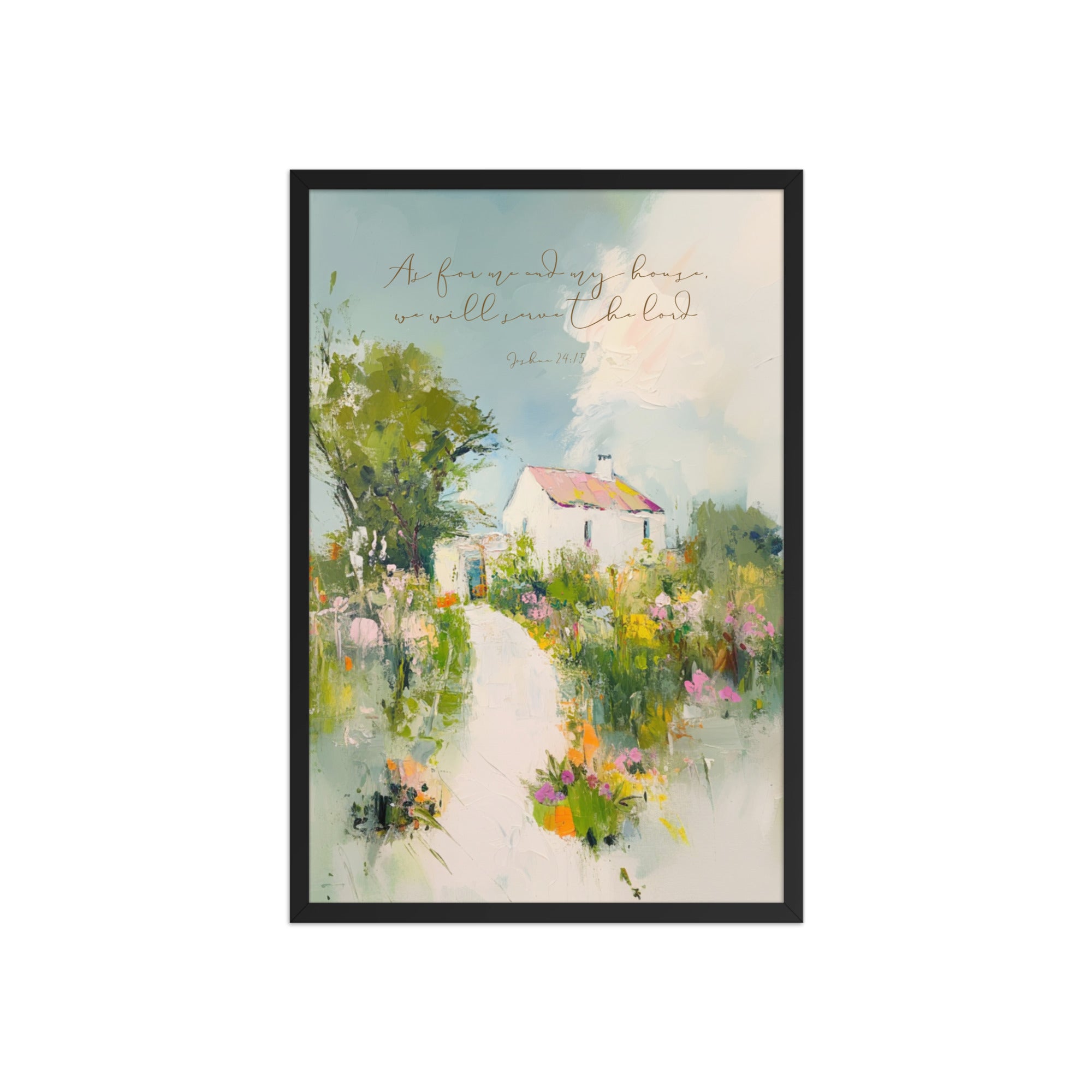
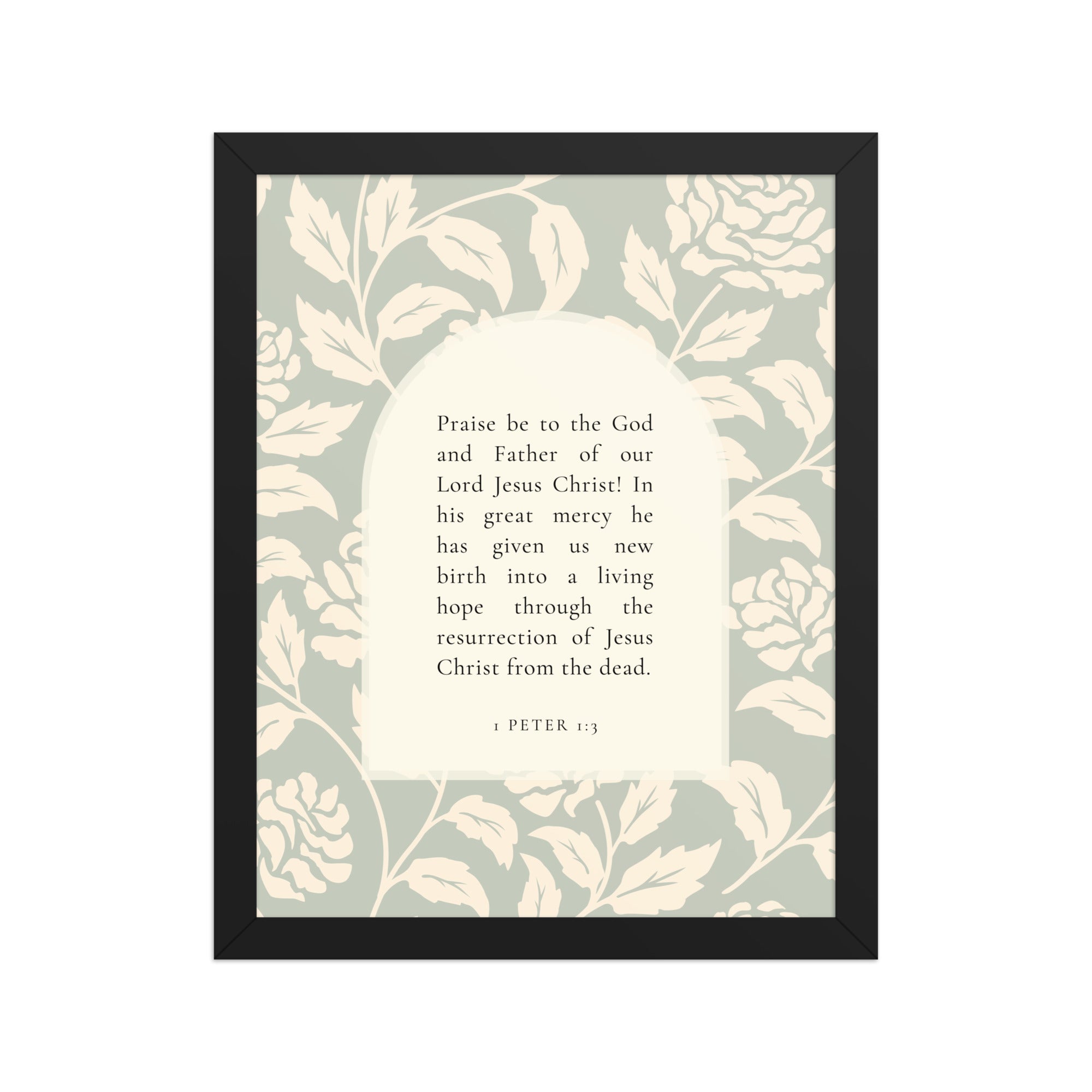
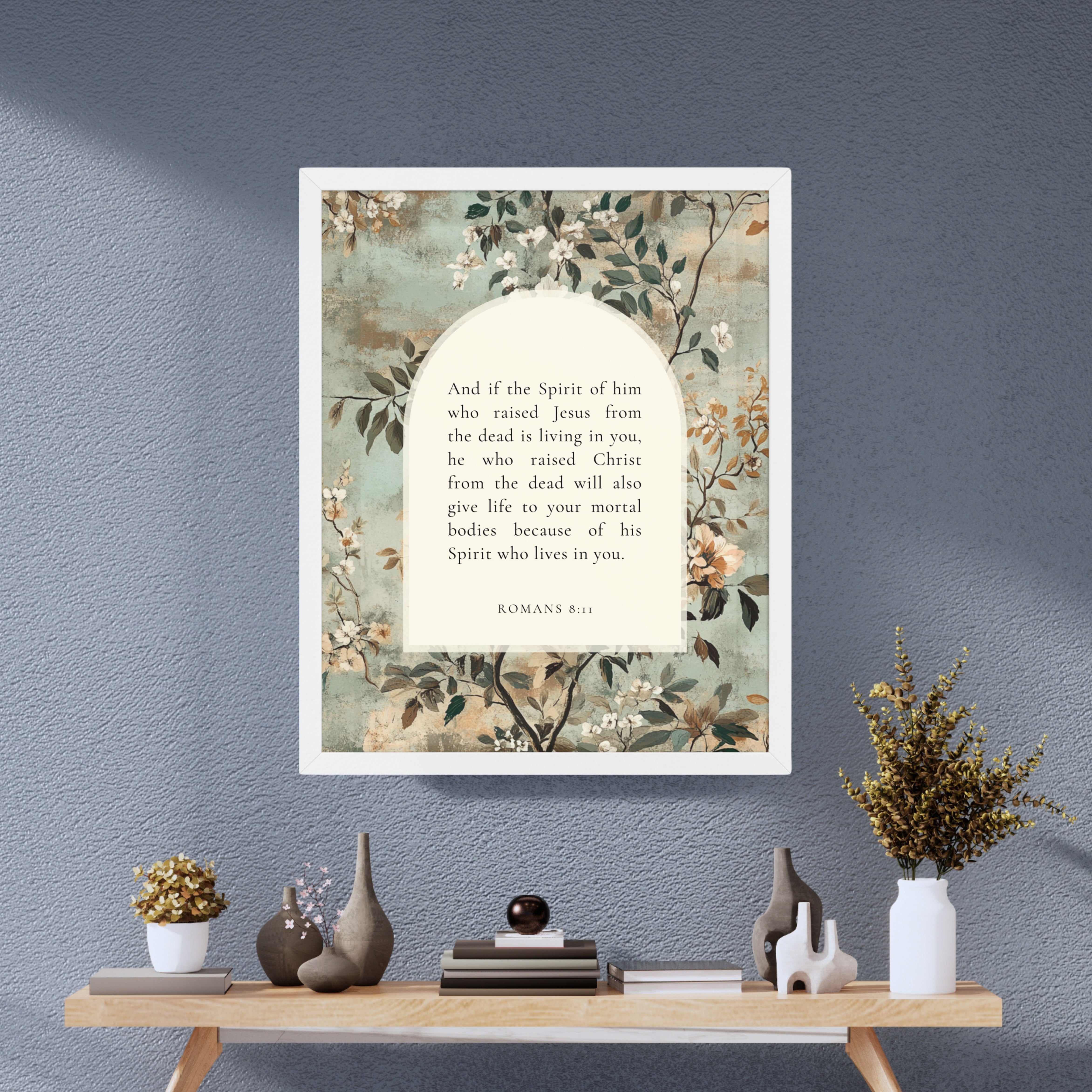
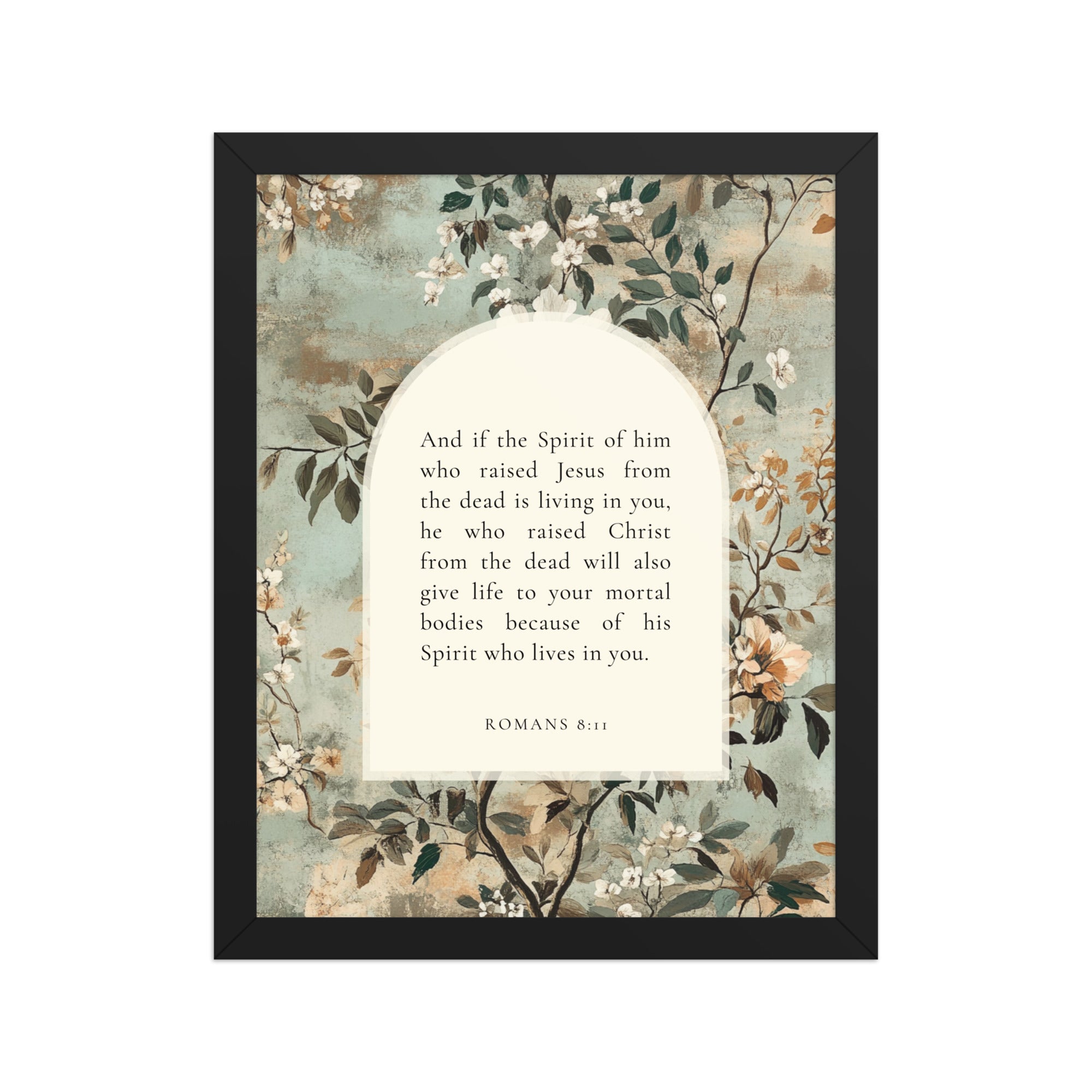
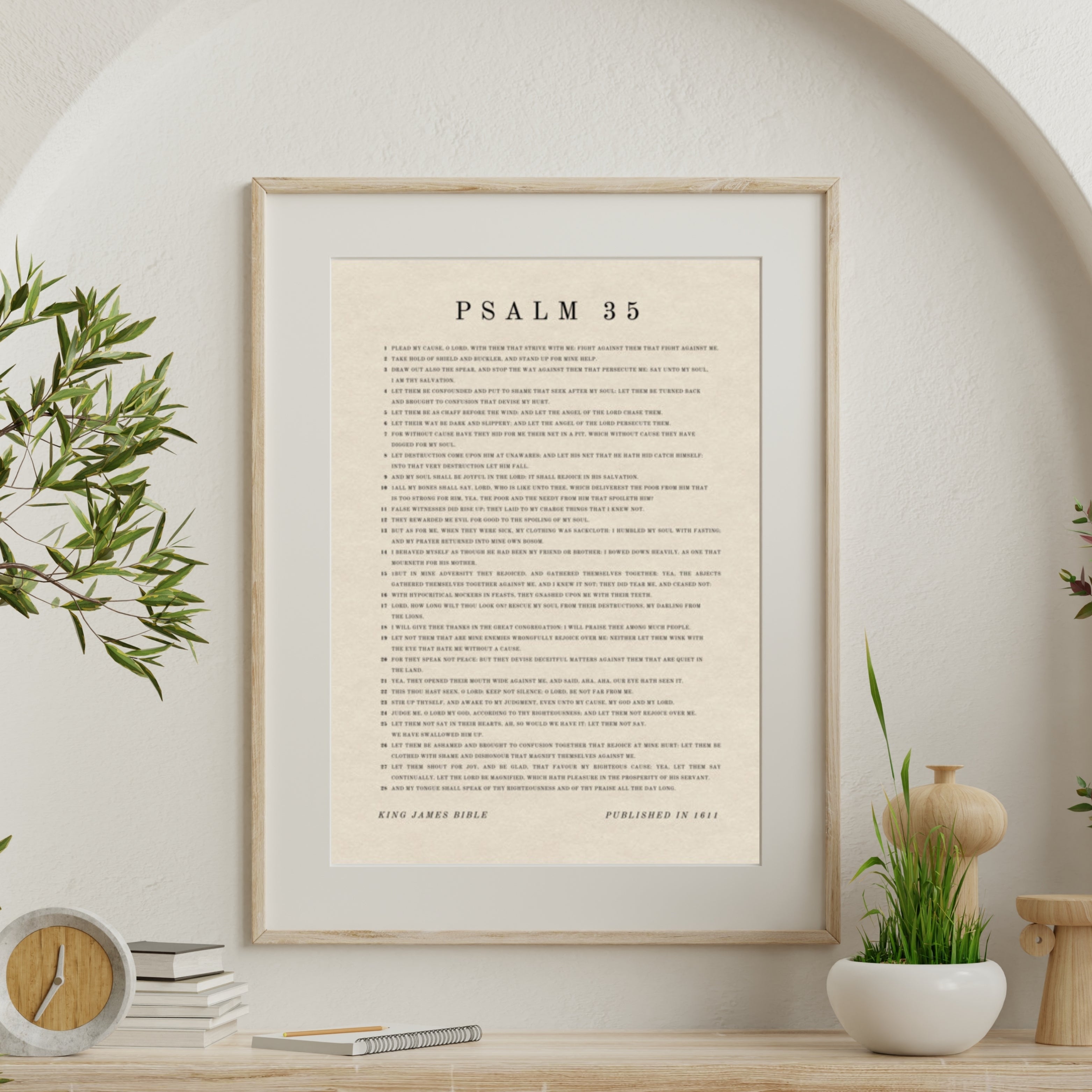
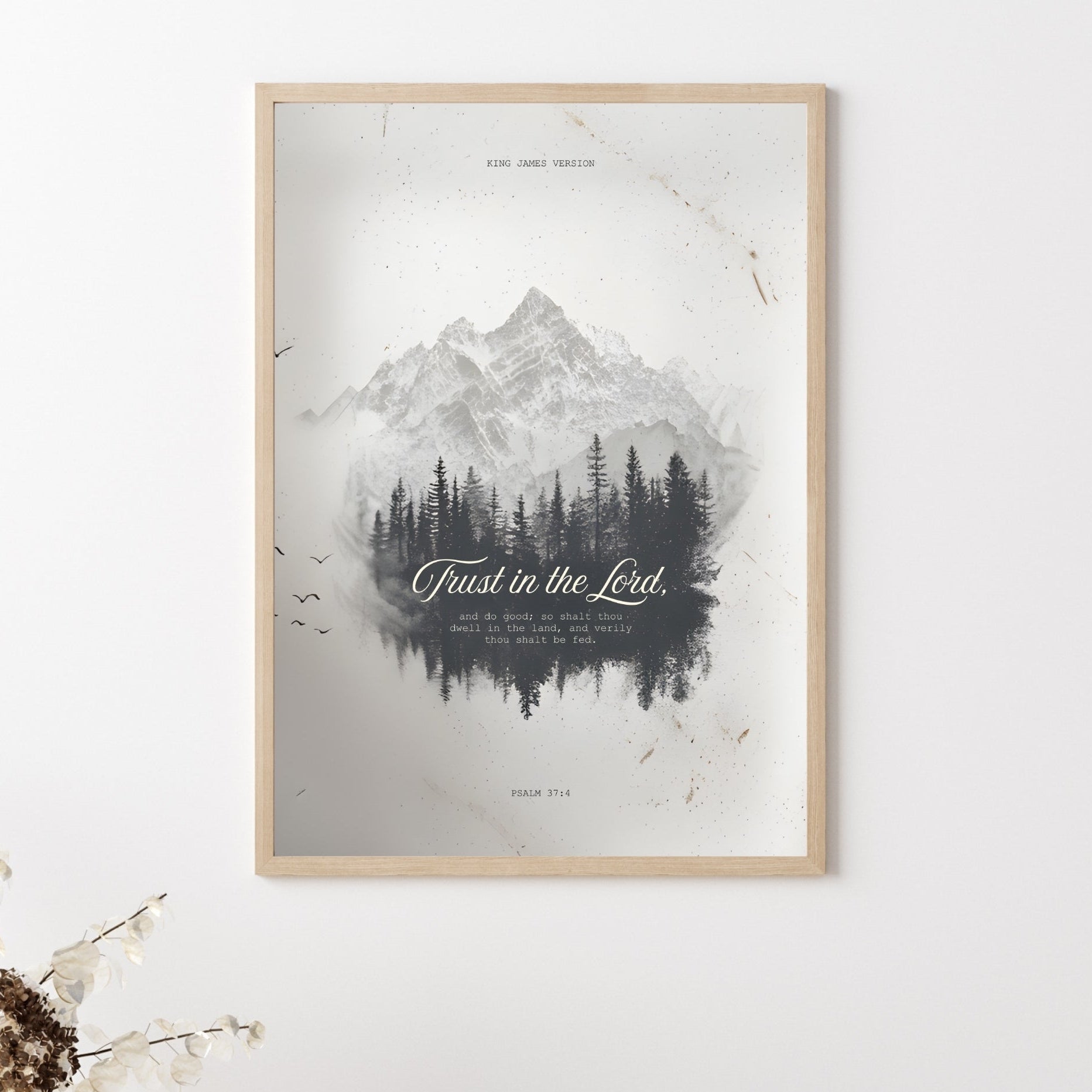
This is why many families choose artist designed collections like those found at Prayers & Prints. Unique designs ensure that Scripture feels intentional, not mass produced. They honor both the Word and the home it lives in.
What Happens When Purpose and Placement Are Confused
When devotional verses are placed in busy, high traffic spaces, they often lose their power. When too many verses compete for attention in shared rooms, Scripture becomes visual noise rather than spiritual grounding.
This is not a failure of faith. It’s a lack of discernment in design.
Understanding the difference between decorative and devotional Scripture allows families to restore meaning without removing Scripture from their homes.
A Foundation for Intentional Design
When Scripture is chosen to reflect family values and placed with clear purpose, it regains its ability to speak.
Decorative Scripture sets tone and identity.
Devotional Scripture shapes hearts and endurance.
Both are needed. Both are beautiful. But they must be allowed to serve their distinct roles.
In the next article of this series, we’ll look at what happens when Scripture becomes so familiar that it fades into the background and how a few intentional changes can bring it back into focus.
Sometimes, the most powerful shift isn’t adding more Scripture, but allowing each verse to live where it belongs.